
A tax proposal posted to the Ethereum Research forum by Kleros founder Clément Lesaege would let ETH validators vote to redirect up to 10% of staking rewards to public goods funding. If a majority of validators signal above zero, that rate becomes mandatory for every validator on the network, including those who voted for none.
For Bitmine (BMNR), which has staked 4.72 million ETH through its MAVAN platform and projects $258 million in annual net staking revenue, the exposure range is $50–100 million in lost income per year.
That figure is not speculative padding. It represents the direct arithmetic of applying a forced yield reduction to the single largest ETH staking position held by any public company. The proposal is still a forum post, not an EIP. That distinction matters – but so does the direction of travel.
Discover: The Best Token Presales
The ETH Validator Redirected Revenue Tax Proposal
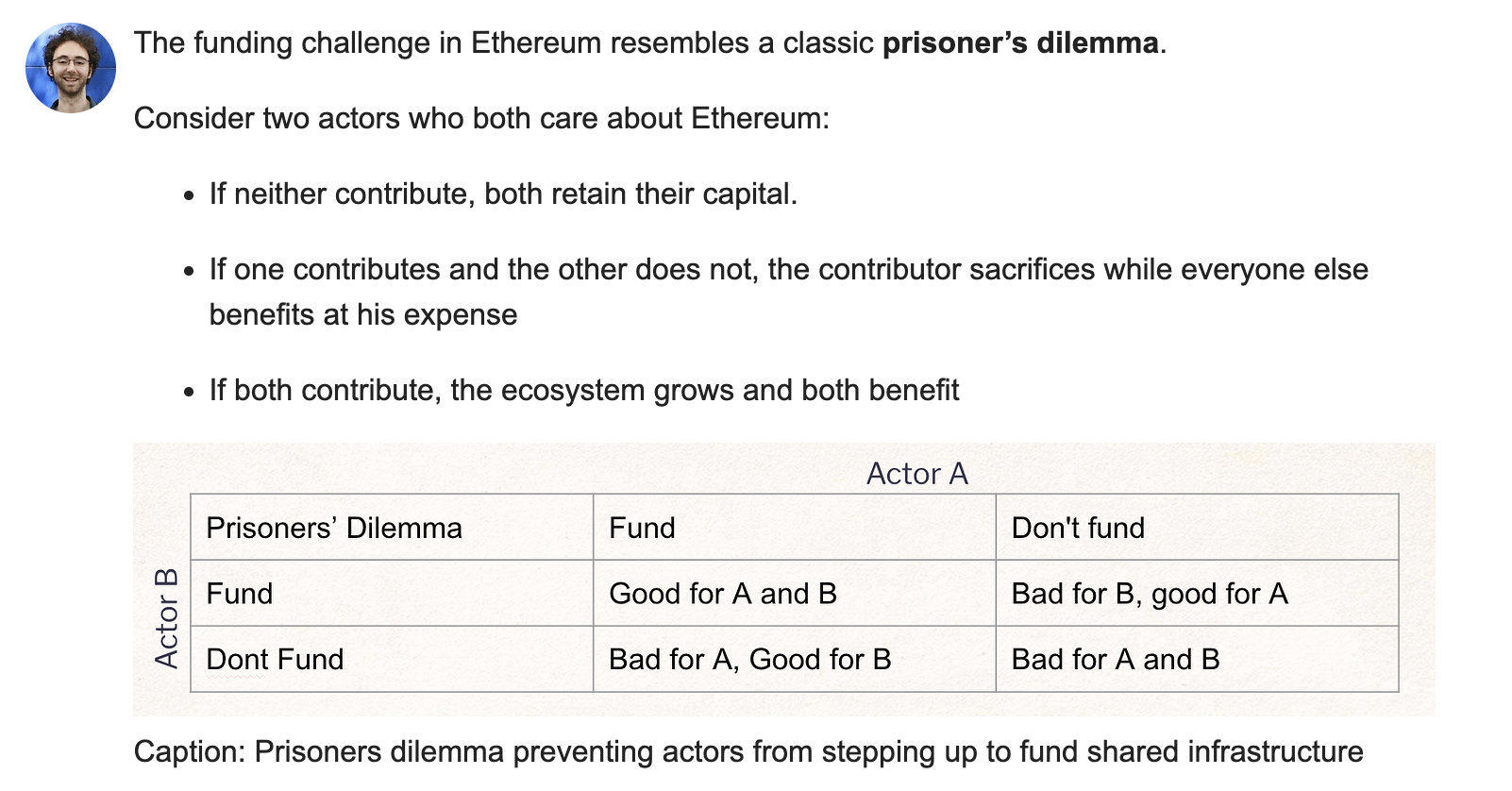
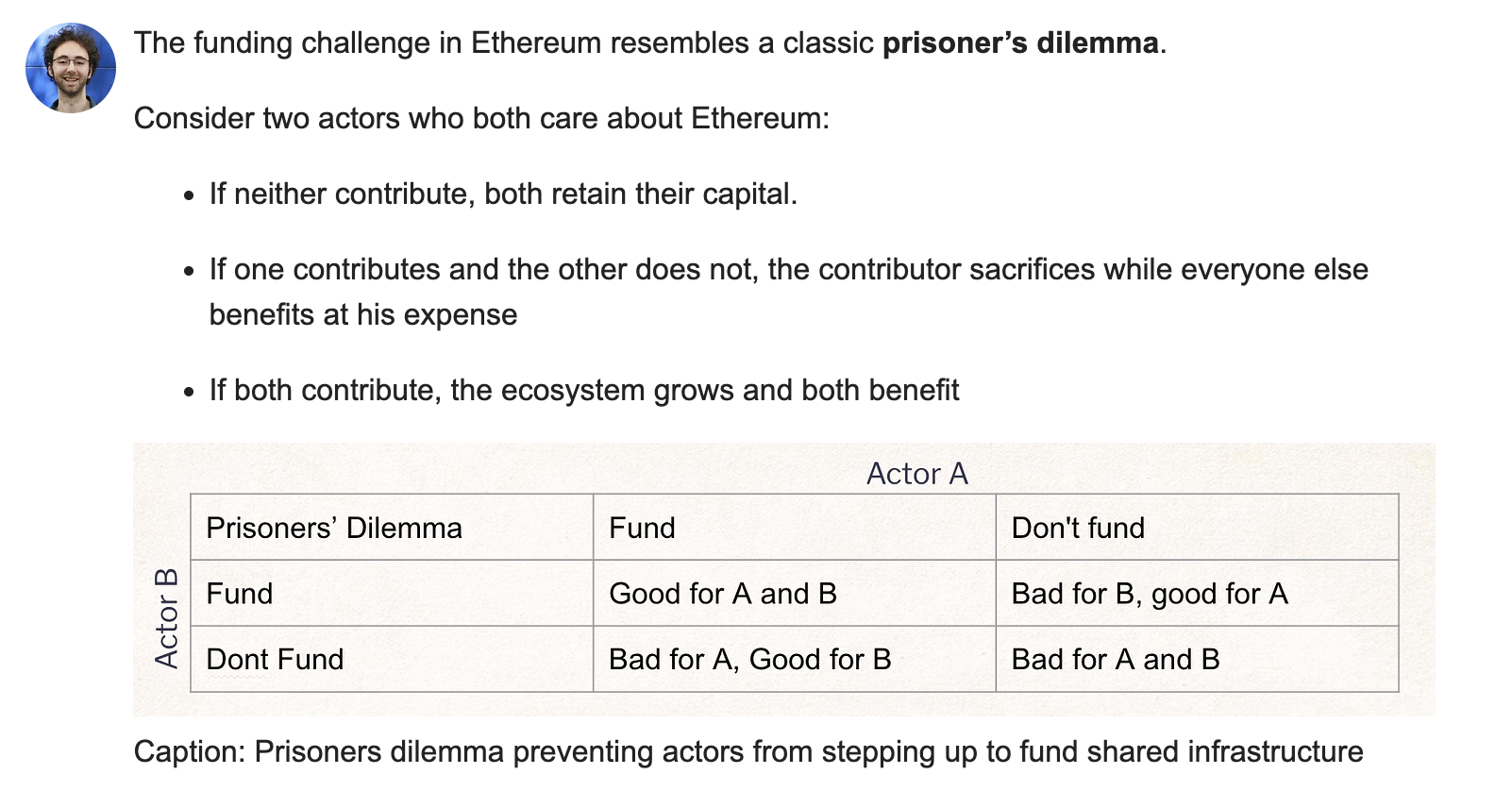
Lesaege’s post, titled “Validator Redirected Revenue,” frames the mechanism as a solution to a coordination failure. According to his ETH tax proposal, Ethereum’s shared infrastructure generates value for everyone but is funded by no one in a structured, protocol-level way.
His proposed fix is a signaling system embedded in the consensus layer. Each validator declares a preferred redirect rate between 0% and 10% of their staking rewards. If more than 50% of total staked ETH signals are above zero, a single rate is selected and applied universally.
Now, a validator that voted for 0% redirection does not retain its full yield if the majority crosses the threshold, as it gets swept into the mandatory rate alongside everyone else. Funds flow automatically to an allocation smart contract, with a splitter routing capital to designated recipients such as Gitcoin, Octant, and audit organizations.
Lesaege explicitly described the post as a conversation-starter: “We seek further feedback before working on a technical implementation to put forth as an Ethereum Improvement Proposal.” As of now, no EIP number has been assigned.
A parallel mechanism called Validator Revenue Redistribution (VRR), presented by Ethereum Foundation researcher Devansh Mehta at EthCC, provides the technical plumbing layer. Mehta described the threshold dynamically, “If 51% put their flag up, all 100% of stakers have to part with a portion of their rewards.”

Discover: The Best Crypto to Diversify Your Portfolio
Bitmine’s MAVAN Platform: The $258M Revenue Thesis Exposed to Protocol Governance
Bitmine’s May 8-K reported 4,718,677 ETH staked via MAVAN, or 87% of its 5.42 million ETH total holdings and 4.49% of total ETH supply. The 7-day annualized yield at that date was 2.73%, against a CESR benchmark of 2.81–2.84%. At full deployment, Bitmine projects $296 million in gross staking rewards and $258 million in net staking revenues annually.
The math for a protocol-level redirect is straightforward. Each 1 percentage point reduction in effective annual yield on 4.72 million ETH costs approximately $94 million per year in gross rewards at an ETH price around $2,000.
However, a 10% redirect of the current 2.73% yield diverts 0.27 percentage points, translating to $25 million per year flowing away from BMNR’s validators. At this rate alone, the direct hit is meaningful but not existential.
The $50–100 million exposure range reflects a wider scenario set. If the mandatory redirect rate compounds with any secondary compression in overall validator economics like reduced participation incentives, institutional validators exiting to restaking or L2 yield strategies, or ETH price movement, the effective yield impact on 4.72 million ETH staked.
Staking revenue is not a secondary income line for Bitmine. It constituted more than 93% of quarterly revenue in Q2 FY2026, and the company declared a $0.01 annual dividend in January 2026. Bitmine is the first large-cap crypto company to do so, funded directly by staking income.
A material yield cut would pressure that commitment in a way that no operational decision by management can offset. The ETH validator tax is not a cost Bitmine can engineer around; it is a protocol-level deduction from the asset class itself.
Discover: The Best Token Presales
The post Kleros Founder’s ETH Tax Proposal Puts Bitmine’s $258M Revenue at Risk appeared first on Cryptonews.
Ethereum News,Ethereum (ETH)#Kleros #Founders #ETH #Tax #Proposal #Puts #Bitmines #258M #Revenue #Risk1782131362
